
What a fake restaurant tells us about the feedback we trust, and the feedback we may be about to lose.
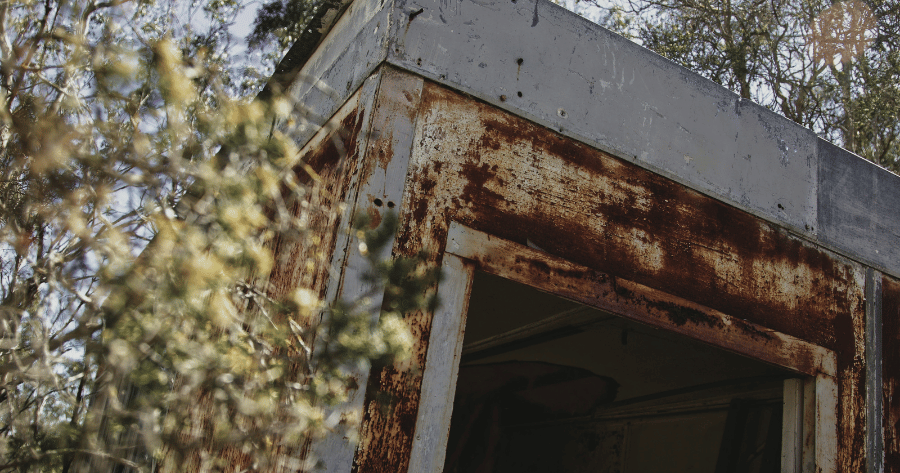
The phone rings in a garden shed in south London.
“I've heard so much about your restaurant,” says the voice on the other end. “I know it's a long shot, but do you have a table tonight?”
There is no restaurant. There is a shed, a burner phone and a man who panics and says they are fully booked for six weeks.
In 2017, the journalist Oobah Butler listed his shed on TripAdvisor as The Shed at Dulwich. He gave it no street address and made it appointment-only. He named the dishes after moods and built a website to match. The listing started at the bottom, ranked 18,149th among London's restaurants. Then he asked friends and acquaintances to write reviews, from different computers, so that nothing looked coordinated.
Six months after the listing went live, it was the top-rated restaurant in London.
By then, the phone rang all the time. People wanted tables. Companies wanted to send samples. A production company wanted to feature the place in an inflight video. None of them had eaten there, because there was nothing to eat.
What the number made real
When Butler finally opened for one evening, he served microwaved ready meals to a handful of guests. It was free, and a few of his friends were there to play diners. Some of the real guests asked, on their way out, whether it would be easier to book a table now that they had been once.
I keep thinking about that last detail.
They had come because of a number. They had no reason to doubt it, so they met the food with the kind of generosity people give to something that has been ranked first.
TripAdvisor's own response, as Butler reports it, was fair. A fake restaurant listing is a journalist's stunt and not what fraud usually looks like. Most manipulation targets real businesses, and the company says it uses technology to spot suspicious review patterns. It's a reasonable distinction.
But the story still shows something. A rating doesn't measure what people think. It measures what looks like a pattern of what people think. And a pattern can be learned, by anyone who understands what the system rewards.
Why this matters for the rest of us
In the last weeks, we have been asking what feedback is worth. First, that companies often ask about their small slice of a person's life and not the whole journey. Then, that people rarely hear what happened to their answers.
The shed adds a third question: Can we trust that a real person with a real experience gave the answer at all?
It matters more than it used to. Insight from feedback depends on the feedback being genuine, and trust takes years to build. Butler needed friends and a free evening. Imagine how much cheaper it becomes when software can write human-like opinions, and when suchthe opinions can't be told apart from real ones.
Or when people send software to answer for them.
Consider my story from my first piece, with seven surveys in my inbox after one holiday. I am tired. I have given my time before and heard nothing back. What do I do when an AI assistant offers to fill them in on my behalf, politely and in my style?
I'm speculating here, and I don't know how many people would do actually agree to that. But I wouldn't be surprised if some did, and I wouldn't blame them. If we keep asking too much and giving too little back, we shouldn't be shocked when people stop answering and something else answers in their place.
That would leave companies with an enormous amount of feedback and almost no one behind it.
What it asks of us
This isn't an argument against ratings or surveys. It's an argument for remembering what they are: A trace of a human experience, and only as good as our ability to tell that a human left it.
So before the next dashboard gets a prominent place in a meeting, a few questions to consider:
- How do we know that actual people have provided credible answers?
- What would we miss if the answers kept coming but the people stopped?
- And when did we last talk to someone, face to face, about the experience behind the score?
A shed became London's best restaurant because enough people trusted a rating system.
What happens to everything else we measure?
Curious how to keep real people at the centre of your insight? Let's talk.
Source: https://www.vice.com/en/article/i-made-my-shed-the-top-rated-restaurant-on-tripadvisor/